Privacy Tech
The House Should Know Before the Cloud Does
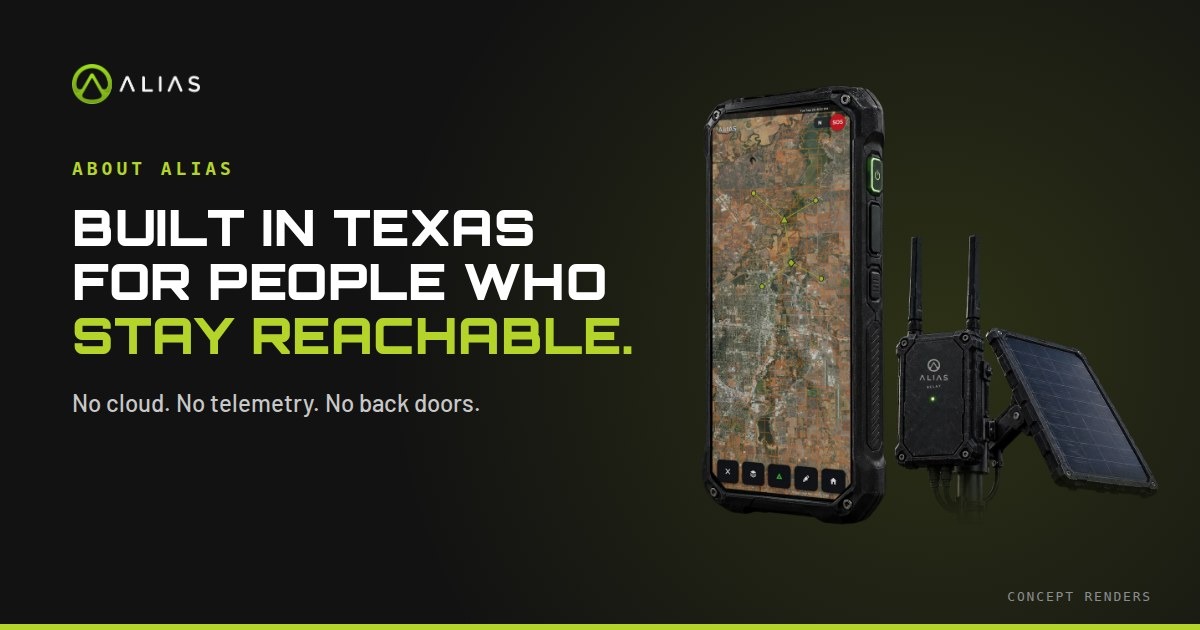
Images show concept renders. Final hardware may differ.
Here's a test for your home security system. Unplug your router and ring your own doorbell. If nothing happens — no alert, no recording, no notification — then the system guarding your family doesn't actually live in your house. It lives in a data center a thousand miles away, and your cameras are just its eyes on loan.
That's the quiet bargain behind most smart home security today. The motion sensor sees your kids come home from school, and a company's server decides whether that's worth telling you about. The footage of your front porch, your living room, your backyard birthday party gets uploaded, analyzed, and stored on hardware you will never see, under terms you never negotiated. You pay a monthly fee for the privilege of being watched by someone else's computer. And when the internet hiccups — a storm, an outage, an overloaded network — the whole system goes blind at exactly the moment you'd want it awake.
We think that's backwards. A security system's first loyalty should be to the people inside the walls it protects — not to a subscription service that rents you access to your own doorway.
That's what sovereign infrastructure means at Alias. The cameras and sensors in your home report to a hub in your home. The AI that decides "that's the dog" versus "that's a stranger at the back gate" runs locally, on hardware you own — no footage shipped to a cloud, no algorithm training on your family's routines. Alerts travel over an encrypted peer-to-peer mesh to the people who should get them: you, on a rugged full-touchscreen handheld that doesn't need a carrier or an internet connection to hear the news. The watching, the thinking, and the telling all happen inside infrastructure that answers to you.
Picture an ordinary Saturday. The Bennetts are spread across a few blocks of their neighborhood — Dad at the hardware store, Mom and the youngest at a friend's house, the oldest home finishing homework. A storm rolls through and takes the internet with it. A traditional system goes dark and starts apologizing by email hours later. The Bennetts' system doesn't blink. The back-gate sensor trips, the hub in the hallway closet judges it — a person, not a branch — and the alert hops device to device across the mesh until it lands in Dad's pocket. He messages his daughter directly, handheld to handheld, encrypted the whole way: stay inside, I'm five minutes out. No tower. No cloud. No one else in the conversation.
Nothing about that story requires an apocalypse. It requires Tuesday-grade bad weather — and infrastructure built on the four things we refuse to compromise on. Privacy: what your home sees stays in your home. Sovereignty: the system obeys you, not a terms-of-service update. Resilience: it keeps working when the networks around it don't. Human Ownership of Data: the record of your family's life belongs to your family, full stop.
Your home already has locks that don't ask a server for permission to work. Its security system should meet the same standard. That's what we're building — and if you want your house to know before the cloud does, join the waitlist at aliascomms.com. Own your front door.